What makes Lake Natron so unique, and why conscious travelers should care
A sacred stillness that stirs something inside
You don't come to Lake Natron for the Instagram likes.
There's no fancy lodge waiting with air conditioning or infinity pools. No big-five checklist. No “best time to visit" that guarantees lion sightings at 5 pm.
What you'll find instead is something rarer: a hush. A kind of wild, ancient quiet that stretches across the cracked salt flats and glows crimson at dusk. You'll feel it when you first see the lake's pinkish surface shimmer under the heat. You'll feel it again when you step onto black lava fields at the foot of a sacred volcano, unsure if the earth is truly still. And you'll feel it, deeply, when you realize this place asks something of you, not your camera, not your money, but your attention. Your respect.
Lake Natron isn't for everyone. But if you've ever longed for travel that feels personal, that connects you to something bigger than yourself, you might just belong here.
In case we haven't met yet… At Mang'ola Life, we don't do tourism. We do transformation.
We're a conscious safari company based in Tanzania, rooted in regeneration, ancestral connection, and soulful adventure. Our mission is to help travelers like you experience this land with intention, through eco-sensitive tours, deep cultural exchanges, and nature-based experiences that honor both people and place.
If you're ready to move beyond surface-level travel and into something that changes you, you're in the right place.
Where is Lake Natron, Tanzania?
Geography and landscape
Lake Natron lies in northern Tanzania, just south of the Kenyan border, tucked between vast escarpments and jagged lava fields within the Gregory Rift Valley,one of the most geologically active regions on Earth.
The lake rests in the shadow of Ol Doinyo Lengai, the Maasai people's sacred Mountain of God, a still-active volcano that pours rare natrocarbonatite lava. This isn't just scenery, it's a story. It's soul.
Surrounding the lake, you'll find a landscape shaped by fire and wind: ash-colored canyons, sunburnt earth, and desert brush that seems to whisper its language.
This isn't a postcard version of Tanzania, it’s the raw, mystical core of it. A place where the land still remembers what it was like before roads, before walls, before time ticked loud.
Tip for mindful travelers: Coming here isn't just a journey in distance,it's a recalibration. You're stepping into a land still shaped by the elements. Pack light, think slow, and bring curiosity instead of expectations.
What Lake Natron looks like
You've never seen water quite like this.
Lake Natron is a shallow, alkaline soda lake with a surface that glows reddish-pink during certain seasons, thanks to salt-loving cyanobacteria and thriving colonies of flamingos. The water can reach temperatures over 40°C (104°F), and its high alkalinity can calcify birds and animals that die in it, leading to haunting images of preserved remains that have gone viral over the years.
But there's so much more to this story than eerie aesthetics.
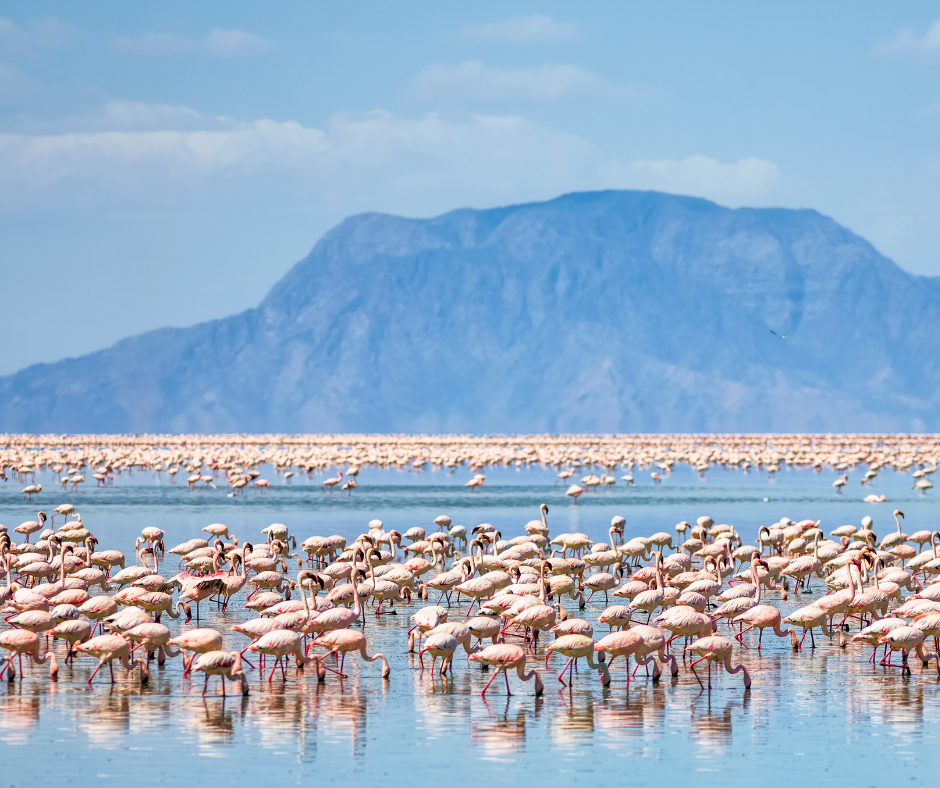
This harshness is what makes Lake Natron ideally suited for the survival of one of Africa's most delicate and symbolic creatures,the lesser flamingo. More than 75% of the world's population nests here, protected by the very waters that deter predators.
Around the lake, you'll find a surreal mix of:
- Desert brush and volcanic rubble.
- Cracked mudflats that reflect the sky.
- Echoing silence that feels almost sacred.
It's a paradox: a harsh landscape, but healing. Alien, but deeply grounding.
Traveler reflection: This isn't a place you conquer. It's one you humbly walk beside. Let go of trying to "see everything." Just be still long enough to be seen by the land.
What makes Lake Natron so famous?
It's not your typical safari stop.
Lake Natron doesn't scream for attention the way other Tanzanian icons do. It doesn't boast of Big Five sightings or luxury camps. It whispers. It hums. It calls to those willing to listen. To those who crave connection over checklist, and stillness over spectacle.
At first glance, it might even seem inhospitable,a red-tinged lake that looks more like Mars than Earth. But when you stay long enough, when you let the heat soften your pace and the silence quiet your mind, something starts to shift.
Here's why Lake Natron deserves your reverence,and your visit.
The flamingos of Lake Natron
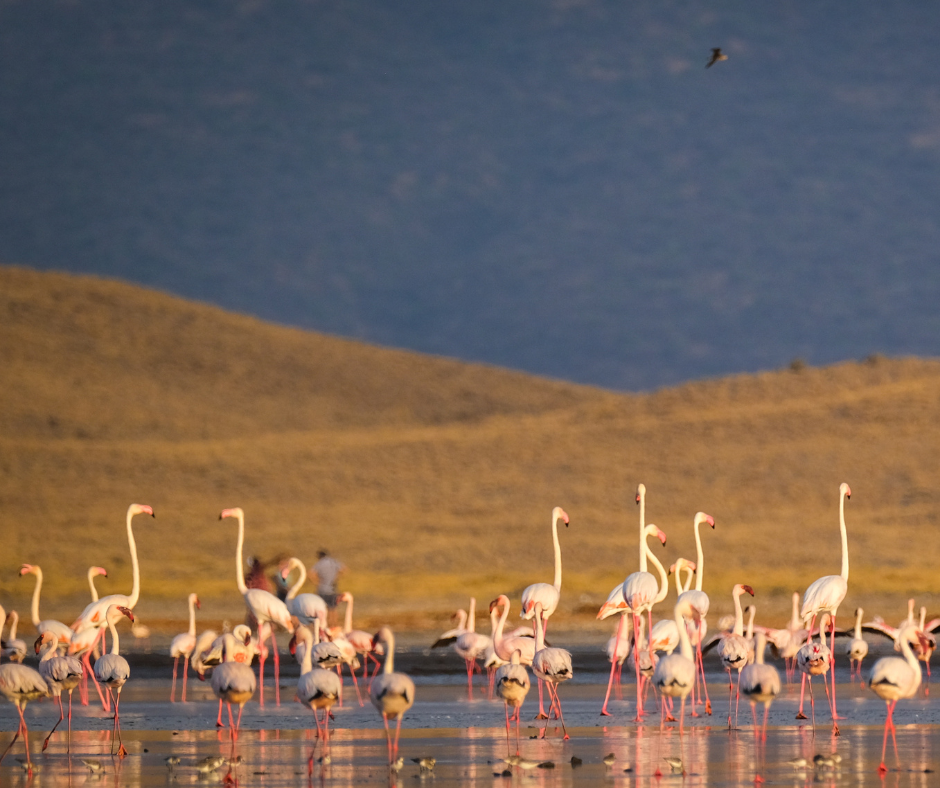
You won't hear them at first. You'll just see flashes of pink flickering against the heat haze.
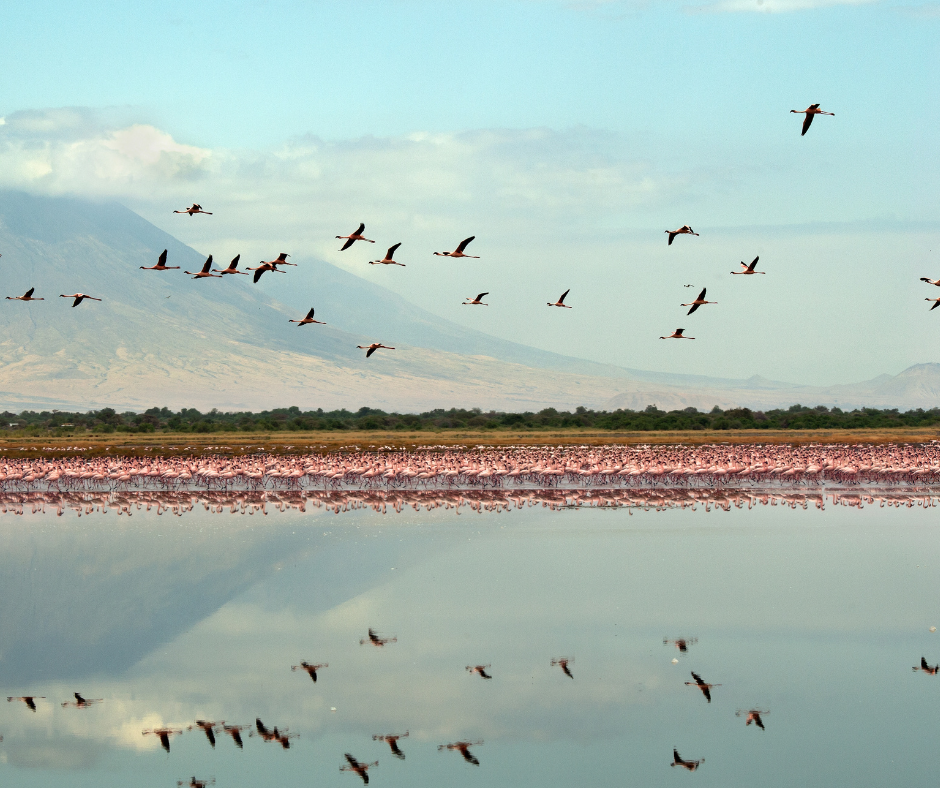
But then,thousands of wings rise in synchronized rhythm.
Lake Natron is the most critical breeding ground for East Africa's lesser flamingos. More than 75% of the world's population is born right here, in the middle of waters so alkaline and scalding, they naturally deter predators.
The irony is beautiful:
- The lake's extreme salinity (with a pH as high as 10.5) is what makes it deadly for most species,but a safe haven for flamingo chicks.
- Their nests,little mud mounds built right in the shallow, warm water, are protected by nature's chemistry.
- Their vivid pink color comes from the cyanobacteria they feed on, which thrive in these alkaline conditions.
Watching them is like watching magic unfold in slow motion. They dance, they glide, they remind you that life adapts,and flourishes, in even the most unexpected places.
Traveler's tip: Come during the breeding season (typically September to January) for a chance to witness this awe-inspiring phenomenon up close. But remember: stay at a respectful distance, and always choose tours that prioritize wildlife ethics and quiet observation.
A mysterious and misunderstood ecosystem
You may have seen the headlines: "Lake that turns animals to stone.
Yes, the rumors are based in truth,but the story is often stripped of its deeper meaning.
What happens is this: birds that crash into the lake's super-reflective surface may die and be coated in sodium carbonate, which preserves them like statues. The phenomenon is eerie, yes, but not mythical. It's chemistry. It's the earth doing what it does, without apology.
And here's the twist: Despite water temperatures that can reach 140°F (60°C) and a hyper-alkaline environment, Lake Natron supports life. Not just flamingos, but tilapia, microorganisms, and bacterial mats that paint the lake in shades of red and orange.
So what's happening here?
This is a living example of nature's resilience. It's a reminder that ecosystems are rarely as simple,or as lifeless, as they first appear. Natron isn't a “dead lake.” It's a specialized microcosm, pulsing with stories of survival.
Let this be a metaphor: Just because something seems harsh on the outside doesn't mean it lacks beauty or meaning. Some landscapes (and people) just ask for a slower kind of attention. If you want to understand what lies beneath the surface, this deep dive into Lake Natron’s caustic properties reveals a place shaped by extremes, and the unexpected life that endures within them.
Deep cultural significance
To visit Lake Natron is not just to witness a geological marvel; it’s to walk on sacred ground.
For the Maasai people, this region is deeply intertwined with spirituality, tradition, and ancestral memory. Towering above the lake is Ol Doinyo Lengai,the Mountain of God,a still active volcano that the Maasai believe is the earthly home of divine presence.
The Maasai doesn’t just see this land it’s felt, sung, and respected. The patterns of migration, the glow of the lake, the rhythm of the seasons, all of it holds meaning.
Stories passed down for generations tie the lake to creation myths, healing practices, and rites of passage. Even the flamingos aren't just birds, they’re messengers, symbols of resilience and grace.
As a traveler, your role isn’t just to pass through. It’s to listen, to honor, and to ask:
- What has this land witnessed that I never will?
- How can I learn from the people who live in harmony with it?
Travel consciously: When you visit Lake Natron with Mang'ola Life, you're not a passive observer; you’re a respectful guest. Our guides come from the local community. Our routes honor sacred spaces. And our intention is always one of mutual exchange. .
Is Lake Natron worth visiting?
Let's be honest, Lake Natron isn't for everyone. And that's precisely what makes it sacred.
This isn't the place for air-conditioned Land Cruisers and luxury lodges with WiFi. It's not the backdrop for influencer-style game drives. Lake Natron asks for presence, not performance. And for the right kind of traveler, it delivers something much more potent than a postcard: perspective.
Why conscious travelers are drawn here
So, what draws people to a place so remote, so raw?
Simple. Solitude. Silence. Soul.
Lake Natron is where the noise of modern life starts to fade. Where your phone signal disappears and your sense of self returns. Something is healing about standing on cracked earth beside a lake that reflects the sky in liquid red. It’s not always “pretty” in the way Instagram defines it,but it’s unforgettable in the way your nervous system does.
It's not about escaping the world. It’s about remembering your place in it.
Lake Natron doesn't entertain you. It invites you.
What to expect as a visitor
If you're coming here, expect to feel like you've landed on another planet,in the best way possible.
- Thousands of flamingos ripple across the shallows, painting pink streaks across the mirror-like lake
- The landscape is lava-sculpted, dry, vast, and hypnotic
- Local guides, often Maasai, will walk with you, share stories, and lead you to tucked-away treasures like freshwater springs and canyons
- You’ll hike, sweat, reflect, and reconnect with your body, breath, and surroundings
This is a trip for people who crave:
- Immersion over indulgence
- Adventure with intention
- Raw nature and real connection
And if that’s you? Then yes, Lake Natron is not only worth visiting. It’s worth remembering forever.
Plan your conscious visit with Mang’ola Life, where every journey is crafted to honor the land, its people, and the sacred pace of slow, mindful travel.
Unique eco-tourism experiences at Lake Natron
What makes Lake Natron stand out isn’t just how it looks,but how it feels when you move through it. The eco-experiences here are raw, regenerative, and deeply connected to the natural cycles of the land.Here are three that belong on your soul's bucket list:
1- Waterfall hikes through a hidden canyon
Imagine this: After a hot day walking the lake's crusty edge, your guide gestures toward a jagged opening in the rocks. You step inside,and suddenly, the air cools. The sound of rushing water echoes off canyon walls. Shade replaces sun.
Welcome to Engare Sero Waterfall, one of the Serengeti ecosystem's best-kept secrets.
- The hike takes you through narrow gorges carved by water and time
- You’ll scramble over rocks, wade through shallow streams, and feel the temperature drop with every step
- At the end: a small oasis waterfall, where locals bathe, rest, and refresh
Tip: Bring water shoes and be ready to get a little muddy. The journey is half the magic.
2- Walking safari across alkaline flats
No roaring jeeps. No motor noise. Just the sound of your footsteps... and maybe the distant trill of flamingos.
A walking safari at Lake Natron is nothing like the typical game drive. It’s slower. Quieter. Richer in detail.
- Your guide (often a local with ancestral knowledge of the land) will point out bird tracks, flamingo nests, and medicinal plants.
- You’ll learn about the volcanic geology, how locals navigate the seasons, and why the landscape looks the way it does.
- If you’re lucky, you might see wildlife adapted to harsh environments,from tiny desert foxes to rare reptiles.
Most importantly, this walk invites deep listening. The land speaks. You just need to walk slowly enough to hear it.
3- Climbing Ol Doinyo Lengai, the active volcano
And then there’s the crown jewel of Lake Natron’s adventures: a moonlit climb up Ol Doinyo Lengai,“The Mountain of God.”
This is not an easy hike. It starts around midnight, guided by torchlight and silence. You’ll ascend nearly 3,000 vertical feet in the dark, your boots crunching on lava gravel, stars overhead, breath fogging in the cool night air.
But when you reach the summit by sunrise?
- You’ll look into the only active carbonatite volcano on Earth.
- You’ll watch the Rift Valley bathe in pink light.
- And you’ll feel small in the most sacred, stunning way.
This hike isn’t just about fitness,it’s a pilgrimage. A chance to connect with Earth’s raw power and your own.
Note: This trek requires local permits, a guide, and good physical conditioning. Mang’ola Life organizes these climbs responsibly, with safety, sustainability, and cultural respect in mind.
Planning your visit to Lake Natron
Visiting Lake Natron isn’t about ticking boxes,it’s about how you show up, where you choose to stay, and why you came in the first place.
This isn’t a destination to simply observe. It’s one to participate in. Which means planning your visit with intention matters more than ever.
Accommodation options in the area
At Lake Natron, you won’t find luxury hotel chains or marble bathrooms. Instead, you’ll find places that are simple, rooted, and deeply connected to the land and the people.
- Community-run eco-lodges: Built and operated by locals, these spaces offer rustic but meaningful stays. Your payment supports education, conservation, and livelihoods in the region.
- Mobile tented camps: For that craving light-footprint adventure, these camps let you sleep beneath the stars with nothing but canvas between you and the wild silence.
- Family-operated bomas: Some Maasai families open their homes to travelers. There's no greater gesture of hospitality than being invited into daily life with respect and reciprocity.
At Mang'ola Life, we only partner with locally owned and operated accommodations that reinvest back into the region, because responsible tourism protects not just the land, but the roots that sustain it. Learn more about how Mang’ola Life supports community and sustainability.
Investing in Lake Natron: not just a trip, a contribution
A meaningful trip is an investment,but in this case, your money doesn’t disappear. It circulates. It regenerates.
- Park entry fees help maintain the ecosystem, fund anti-poaching patrols, and support local infrastructure.
- Eco-lodge stays are moderately priced—not about opulence, but about comfort with purpose.
- Local guides and hikes (like volcano treks or canyon walks) have separate costs—but you’re paying fairly for knowledge, safety, and cultural exchange.
Here's the truth: conscious travel means paying fairly, not just for the experience, but for the lives that make it possible. This isn't the place to bargain for discounts. It’s a place to honor value,real, human, grounded value.
When to go and what to bring
To witness Lake Natron in its whole, surreal glory, flamingos painting the horizon pink and Rift Valley skies wide open,plan with care.
Best time to visit:
- June to October, during the dry season.
- Clear skies, accessible roads, and peak flamingo activity make this a powerful window.
What to bring for a mindful visit:
- Sturdy walking shoes: You'll be crossing volcanic rock, dusty paths, and sometimes shallow water.
- Sun protection and respectful clothing: The sun is intense, and modest dress is appreciated in Maasai communities.
- Reusable water bottles: Stay hydrated without contributing to plastic waste.
- A mindset rooted in humility: This isn't a curated experience, it’s a living landscape, sacred to many, and deserving of deep respect.
Begin your soulful and sustainable safari experience with Mang’ola Life’s eco-conscious Tanzania safari tours, where we guide journeys of regeneration, culture, and awe in the heart of East Africa.

Welcome to Mang'ola life we are a sustainable safari company located in the heart of Tanzania, Africa. Plan your next adventure with us.