Maasai community in the Serengeti: Where culture, conservation, and community intertwine
A story of roots, resilience, and what it means to belong
When you picture the Serengeti, what comes to mind?
Maybe it’s the golden grasses waving under an endless sky. Maybe it’s the thundering hooves of wildebeest during the Great Migration. Or maybe, if you’ve been lucky enough to visit, it’s the quiet presence of people in a red shuka, the Maasai community, walking in rhythm with the earth, herding cattle under the same sun that’s warmed this land for centuries.
The Maasai aren’t just part of the Serengeti’s scenery, they are its soul.
Yet, for years, their stories have been left out of the safari narrative. Their homes fenced off, their herds pushed aside, their wisdom overlooked in favor of photo ops and five-star lodges. And that’s the part we don’t talk about enough: that the beauty of this land isn’t just in its landscapes, it’s in the people who have protected it for generations.
Today, something is shifting.
Travelers are waking up to a deeper kind of journey. One that asks: What does it mean to travel responsibly? How can we show up in places that don’t belong to us, with humility, curiosity, and care?
That’s where this story begins. And it’s why the Maasai community matters more than ever.
Mang’ola Life: A commitment to land, people, and presence
In case we haven’t met yet… we’re Mang’ola Life, a conscious safari company based in northern Tanzania. But “safari” doesn’t really cover what we do.
We offer regenerative travel experiences that honor people, place, and the sacred pace of slowness. Our journeys center around community-rooted safaris, ancestral landscapes, and eco-tourism that gives more than it takes.
If you’re craving connection, learning, and reverence, you're in the right place.
Explore our Tanzania safari experiences designed to support local communities, protect sacred land, and awaken something more profound in you.
Who are the Maasai?
The Maasai tribe in Tanzania and East Africa
The Maasai are one of the most widely recognized Indigenous communities in East Africa,and yet, so often, they're misunderstood.
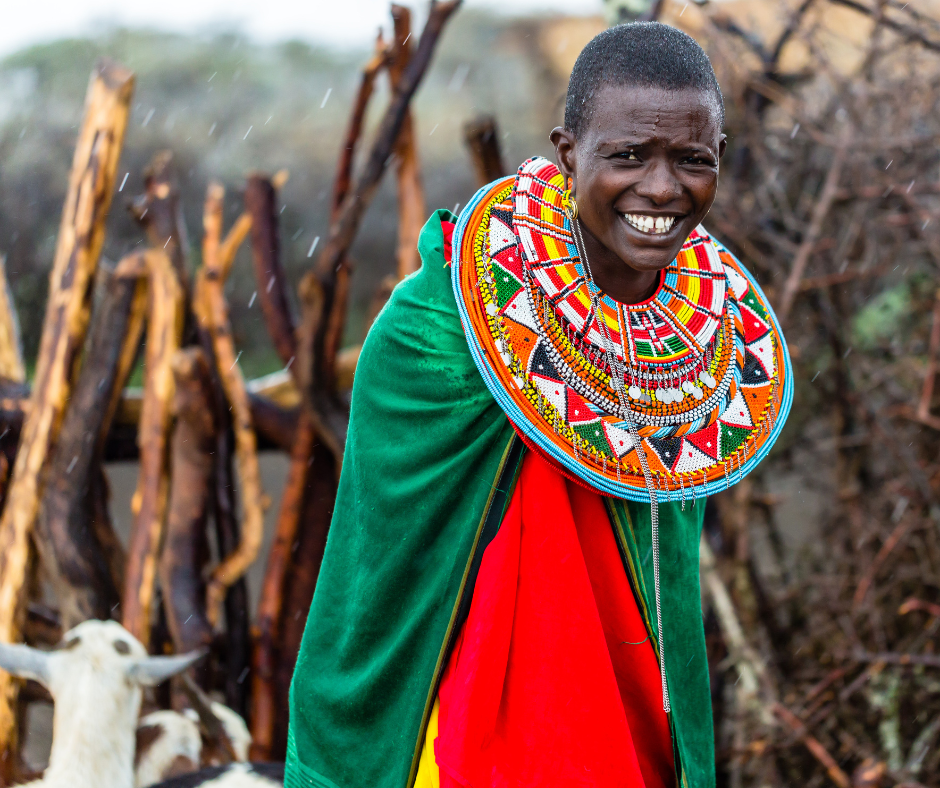
Known for their striking red attire (shuka), tall beaded jewelry, and deep connection to cattle, the Maasai are semi-nomadic pastoralists who have lived in harmony with the land for centuries. But beyond the visual symbols lies something more powerful: a way of life rooted in respect, resilience, and reciprocity.
To be Maasai is to move with the rhythm of the land. To raise livestock not just for sustenance, but as a sacred bond between people and nature. To view the earth not as a resource to exploit, but as a living relative to care for.
Their oral traditions, warrior rites, and ecological knowledge carry generations of insight about drought, wildlife behavior, and how to thrive in dryland environments long before “sustainability” became a trend.
And while modernity has touched every corner of Tanzania, many Maasai continue to protect their cultural identity with pride, while also adapting, innovating, and negotiating a space in today’s world on their own terms. For a closer look into their art, stories, and way of life, explore this interactive collection on the Maasai community by Google Arts & Culture.
Where do the Maasai live?
Most Maasai communities reside in the northern regions of Tanzania and southern Kenya, especially around the Serengeti, Ngorongoro Conservation Area, and the Great Rift Valley.
But don’t mistake that for confinement. The Maasai aren’t tied to one fixed location,they live in rhythm with their herds, moving seasonally to access grazing lands and water. This nomadic movement isn’t aimless; it’s ancestral intelligence in motion. It reflects a deep understanding of natural cycles, rainfall patterns, and the carrying capacity of the land.
Their homes, called enkangs, are arranged in circular compounds,symbolic of community cohesion. The land itself isn’t “owned” in a Western sense; it’s shared, respected, and used wisely.
To walk through these landscapes with a Maasai guide is to enter a story centuries in the making.
What is the Maasai known for?
Cultural values and way of life
The Maasai aren’t just known for their vibrant red shukas or elegant beadwork,they’re known for how they live with intention.
Rooted in a worldview where nature is sacred and cattle are kin, the Maasai pass down wisdom through oral storytelling, song, and communal rituals. Every coming-of-age ceremony, like
Enkipaata for young boys or
Eunoto, the rite that marks warriorhood, is a reminder that life is not meant to be rushed, but honored.
Their lifestyle isn’t a relic of the past. It’s a living culture, deeply spiritual, and inseparable from the land.
Sustainable pastoralism in a changing world
Before the world talked about sustainability, the Maasai were already practicing it.
Through
rotational grazing, seasonal migration, and observing natural signs, the Maasai have managed their land and livestock in ways that preserve both. These aren’t outdated methods, they’re regenerative systems designed to keep ecosystems healthy and resilient.
In a time where climate change and land degradation are front and center, the Maasai’s ancestral knowledge holds solutions we urgently need.
Challenges and misconceptions
The world often paints the Maasai with a romantic brush, colorful warriors living untouched by time. But that narrative flattens reality.The truth is, Maasai communities have endured displacement, marginalization, and cultural appropriation, while still finding ways to resist and reclaim their stories.
Being Maasai today means more than surviving,it means navigating modern pressures while fiercely protecting ancestral ways. And that balance isn't easy but it’s powerful.
The Maasai and the Serengeti: a complicated history
A legacy of coexistence with the land
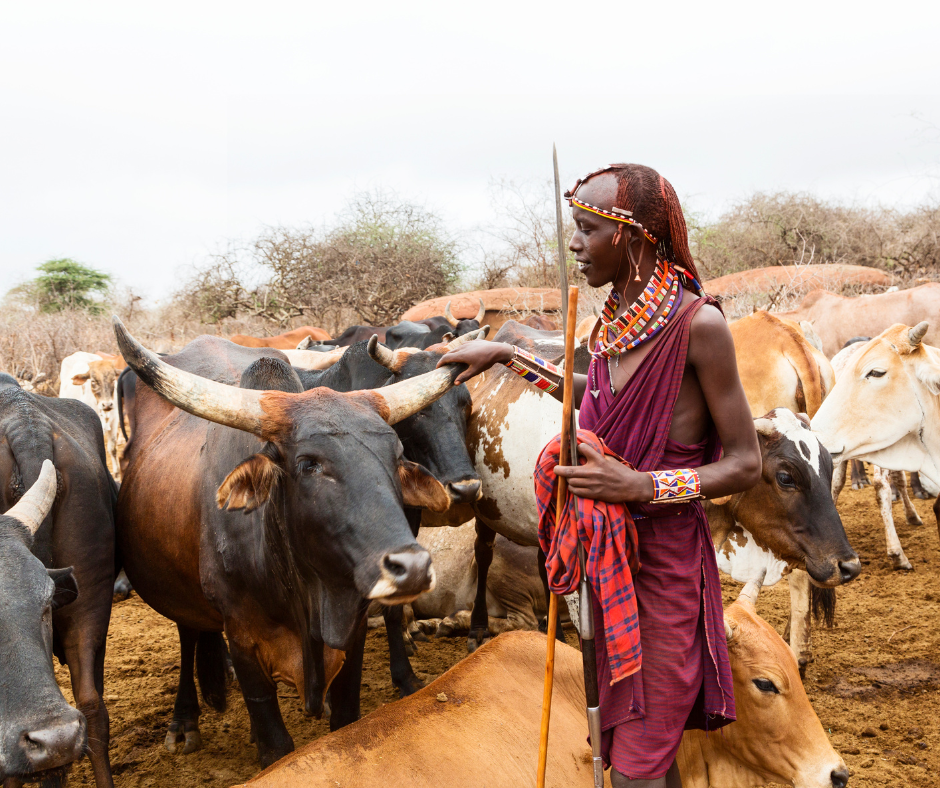
Long before the Serengeti was a national park, it was home. For centuries, Maasai communities grazed their herds across what we now call “protected land” without destroying it. Their seasonal patterns aligned with nature’s rhythms, allowing both cattle and wildlife to thrive.
But with the arrival of colonial conservation models, that coexistence was disrupted. Maasai families were pushed out to make way for tourism and preservation, ironically, in the name of protecting a landscape they had sustainably managed for generations.
From exclusion to collaboration
Today, things are beginning to shift. Some conservation efforts are now partnering with local Maasai communities, recognizing that proper protection of the land includes the people who have loved and lived with it the longest.
Through community-based tourism, cultural exchange, and co-led conservation programs, the narrative is evolving. The goal? Not just to preserve the Serengeti, but to re-center the Maasai within it.
Cultural knowledge that sustains and heals
There are ways of knowing that can't be Googled. They live in gestures passed from grandmother to granddaughter.
In the quiet pause before a storm.
In the way a fire is built just right, no lighter fluid, just rhythm and memory.
This is the kind of knowledge the Maasai carry. And it’s not just information it’s wisdom that heals, sustains, and teaches us how to live in deeper relationship with the Earth.
Ancestral skills passed through story and song
For the Maasai, education doesn’t start in a classroom.It starts around the fire It moves through lullabies, proverbs, and dances that aren't performances, but practices of remembrance.
Children learn to:
- Track animals by subtle signs on the ground
- Identify medicinal herbs by smell and texture
- Understand community roles through stories that teach values as much as history
This is a profoundly sophisticated, a system of knowledge that’s been refined over millennia. And it reminds us: not all intelligence looks like books and degrees. Some of the deepest truths live in our bones and are sung before they’re spoken.
At Mang’ola Life, we partner with Maasai-led guides who share this wisdom not as entertainment, but as living legacy. When you walk beside them, you're not just learning about culture,you’re learning within it.
Visiting the Maasai respectfully
Let's be honest, visiting Indigenous communities as a traveler comes with responsibility.
Not everything is meant to be photographed.
Not every dance is meant for your itinerary.
And not every village welcomes pop-in visits.
To show up well in Maasai land, you have to ask:
Am I a guest? Or a consumer?
Avoiding “tribe tourism” and tokenism
Too many tours reduce Maasai culture to a checklist:
- Take a selfie with a warrior
- Watch a 10-minute “ceremony”
- Buy a bracelet
- Leave
But culture isn’t a product. It’s a living, breathing experience that deserves consent, context, and care.
Here’s what to avoid:
- Staged performances that feel rushed, out of place, or disconnected from actual community life
- Photo ops without meaningful interaction
- Tour packages that don’t share how money is distributed or who benefits
If a visit feels like a show instead of a sharing, it probably is.
What it looks like to learn with the Maasai, not about them
Real connection happens in the in-between. Not when you’re watching, but when you’re participating, with humility.
Imagine this:
- Walking with a herder at dawn, learning how to read the land with your senses, not your screen
- Listening to an elder share a story about her first beadwork design,and what each color means
- Sitting around a fire, not as a spectator, but as someone being trusted with truth
This isn’t “culture on display.”It’s mutual learning, where you arrive with curiosity ,not a camera crew.
How Mang’ola Life collaborates with Maasai communities
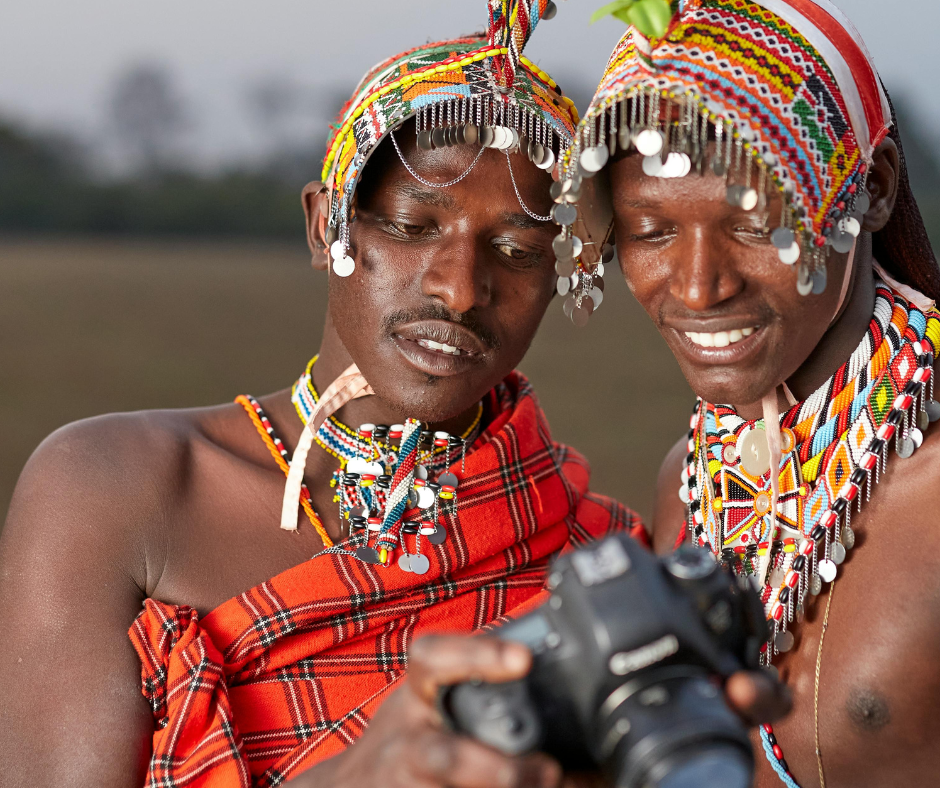
Too often, travel “includes” culture by extracting it. A village visit here. A dance performance there. A quick peek into lives that are expected to smile, pose, perform—and then return to invisibility.
That’s not how we move at Mang’ola Life.
Our work isn’t about checking cultural boxes. It’s about building long-term relationships rooted in reciprocity, consent, and co-creation. Because when you walk with people, not past them,you build something real.
Co-created cultural experiences
Every experience we offer in collaboration with the Maasai is designed with them, not about them.
That means:
- Maasai-led storytelling circles that honor oral traditions on their terms
- Guided herding walks and beadwork sessions where you’re invited into process, not performance
- Rituals and ceremonies shared only when appropriate,and never without full consent
There’s no “one-size-fits-all” itinerary here.What you experience depends on the season, the community, and what’s meaningful now. That’s the beauty of co-created travel it honors the living nature of culture, not a frozen image of the past. If this kind of journey is calling you, we invite you to open the conversation with us and begin dreaming your time in Tanzania, together.
Want to walk this path with us? Begin your soulful and sustainable safari experience with Mang’ola Life, where we guide journeys of regeneration, culture, and awe in the heart of Tanzania.
Because some journeys don’t just change where you are,they change who you become.
Why supporting Indigenous knowledge is essential to conservation
When people think about conservation, they often picture wildlife: elephants, lions, forests, rivers.
But the truth is, you can’t protect nature if you ignore the people who live within it.
Indigenous communities like the Maasai have been guardians of these ecosystems for centuries. They’ve protected biodiversity not with drones or data, but with observation, tradition, and a deep spiritual relationship with the land. And yet? They’re still too often left out of the conversation and worse, pushed off their land in the name of “protection.”
It’s time we changed that.
Conservation isn’t just about wildlife
It’s also about respecting the people who’ve been in a relationship with the land long before conservation became a concept.
For the Maasai, “conservation” isn’t a separate goal, it’s how they live.
- Rotational grazing keeps the land fertile.
- Rain cycle knowledge determines when and where to move.
- Cultural taboos protect certain trees, water sources, and animal species.
This is sophisticated ecological wisdom, and it’s time the world recognized it as such.
You can’t conserve a place by erasing its people. You conserve it by standing with them.
A future built on collaboration, not extraction
So what does real conservation look like?
- It looks like putting Indigenous voices at the center of land use decisions.
- It looks like tourism that listens instead of takes.
It looks like investing in long-term partnerships, not one-time performances.
Ready to travel in a way that honors land, people, and purpose?
Let’s redefine what it means to go on safari. Not just by watching wildlife, but by listening to the wisdom of those who’ve protected it for generations.
Begin your soulful and sustainable safari experience with Mang’ola Life, where every journey is a collaboration, every step holds intention, and every moment is an invitation to connect more deeply with the world (and yourself).

Welcome to Mang'ola life we are a sustainable safari company located in the heart of Tanzania, Africa. Plan your next adventure with us.