
What to know about Tanzania culture and traditions, before you visit
Learning to cross worlds with respect, gratitude, and an open mind
A moment that shifts everything. You’ve just stepped off the Land Cruiser after a long drive through the Ngorongoro Highlands, and into the heart of Tanzania culture, where meaning lives in the everyday: a glance, a gesture, a shared laughter. Your feet hit the red earth, your eyes adjusting to the soft light of dusk. In the distance, a group smiles gathered around a fire. You're invited to sit.
No script. Just stories passed from grandmother to granddaughter. Beads woven by steady hands. A rhythm in the way the tea is poured that says: slow down, listen, and be here.
That’s why cultural awareness isn’t just a bonus to your safari,it’s the foundation. In a country with over 120 ethnic groups, thousands of years of tradition, and a deep reverence for ancestors and land, showing up well means showing up with humility.
This isn’t about walking on eggshells. It’s about walking in wonder.
Let’s start there.
In case you’re new here… We’re Mang’ola Life,a conscious safari company based in northern Tanzania. But "safari” doesn't cover what we do.
We create soulful, regenerative travel experiences that honor the land, center community voices, and invite you to slow down enough actually to feel where you are.
If you’re dreaming of a trip that respects local culture, uplifts Indigenous traditions, and helps you show up in the world with more care,then explore our
Tanzania safari experiences and walk with us. Your presence here already means something. Let’s make it meaningful.
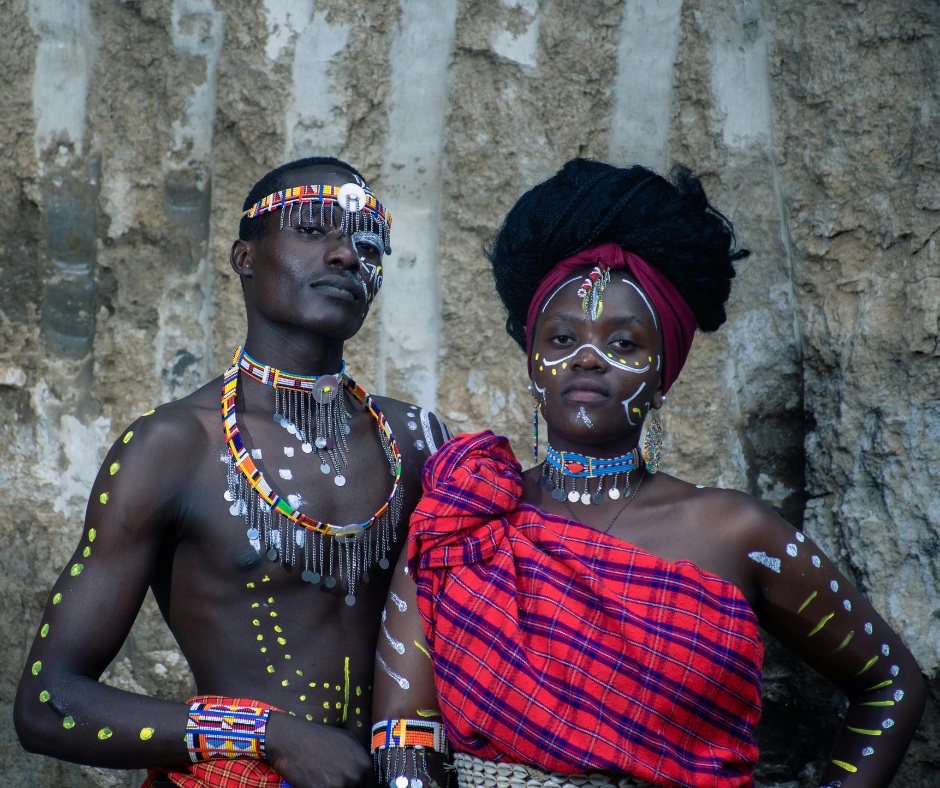
What is Tanzanian culture known for?
A tapestry of over 120 ethnic groups
To talk about Tanzanian culture is to talk about a beautiful mosaic of identities. This country is home to more than 120 Indigenous communities, each with its own language, rituals, dances, and ways of seeing the world.
You might meet the Hadzabe, one of the last hunter-gatherer groups in East Africa, who read the landscape like a sacred text. Or the Chaga, skilled agriculturalists living on the fertile slopes of Mount Kilimanjaro. The Makonde are famous for their intricate wood carvings. The Sukuma have musical traditions that stretch across generations.
No two communities are alike. And that's the beauty of it.
Tanzania's strength lies in its unity within diversity. Swahili, the national language, bridges many of these communities, allowing people to celebrate their unique roots while sharing a common thread.
This coexistence isn't always easy, but it’s a powerful model for a world that often forgets how to honor difference without division.
Cultural values in Tanzania
There’s a word in Swahili you’ll hear often: “Utu.” It means humanity, but it’s more than that.
Utu is about treating others with dignity, patience, and compassion. It’s the auntie offering you food before you ask. The elder is greeted with both hands. The shared laughter when someone drops their tea: okay, we're all human.
Core values like respect for elders, community over individualism, and gentle hospitality aren’t just cultural notes, they’re daily practices.
Even simple interactions are layered with meaning:
- Greetings are long, not rushed.
- Decisions are made communally, not imposed.
- Elders are not just loved, they are listened to.
These values don’t exist in a museum; they’re alive in every handshake, every story, every meal shared.
So as a visitor, you’re not just stepping into a new country, you’re stepping into a worldview that asks you to listen before you speak, to receive before you offer, and to honor the space you’re in.
Tanzania's culture and traditions that have withstood time
Traditional ceremonies and rituals
In Tanzania, life milestones aren’t marked with extravagance they’re honored with ancestral meaning. These ceremonies become sacred bridges between generations.
- Births, initiations, marriages, and harvests are celebrated with song, dance, and storytelling.
- Among the Chaga, rites of passage include symbolic head shaving and elder blessings.
- For the Maasai, the Eunoto ceremony marks a warrior’s transition to elderhood.
Being invited into one of these moments means you’re trusted to hold space for something
deeply alive.
Tanzanian cultural dance as expression and history
Dance in Tanzania is a living archive of identity, it carries memory, not performance.
- Ngoma, Gogo, and adumu (the iconic Maasai jump dance) each tell unique stories.
- The Sukuma “bugobogobo” dance, performed after harvest, celebrates resilience and unity.
- Drums echo like heartbeats. Movements are intentional. Nothing is choreographed for tourists,it’s culture in motion.
When you witness a dance, you’re not watching a show,you’re stepping into a shared history.
Cultural customs around hospitality, dress, and belonging
In Tanzania, belonging is felt before it’s explained. Hospitality is an act of value, not service.
- You’ll often be welcomed with tea, food, and warm conversation, before any questions.
- Kitenge and khanga fabrics aren’t just colorful, they communicate. A khanga might say:
“Haba na haba hujaza kibaba” ("Little by little fills the measure").
- Social cues like:
- Using your right hand to pass things
- Embracing silence at the right moment
…are potent ways to honor connection and respect.
Tanzania culture: Spaces of learning
Where to learn about Tanzanian traditions respectfully
Learning about culture shouldn’t require extraction. Thankfully, Tanzania offers spaces where travelers can engage respectfully, with consent, context, and curiosity.
Places like the Makumbusho Village Museum in Dar es Salaam, the Cultural Heritage Centre in Arusha, or the Olduvai Gorge Museum near the Serengeti offer insights into local history, traditions, and art. But the real magic often happens outside museum walls:
- In beadwork workshops led by Maasai women.
- In cooking classes with local mamas using traditional jikos.
- In intimate storytelling circles where elders speak and visitors listen,not to reply, but to receive.
These aren't tourist traps. They’re doorways into understanding.
Why cultural centres aren't just for display
Too often, cultural centres are mistaken for archives, places where traditions are “preserved” behind glass. But in Tanzania, they are living organisms.
They’re where youth rediscover their language, where artists weave new meaning into ancestral symbols, and where communities gather to debate, dream, and create.
Places like the Bagamoyo College of Arts and Basata (the National Arts Council) aren't about freezing the past. They're about shaping the future by honoring the roots.
To walk into one of these spaces isn't just to learn about Tanzania. It's to feel the heartbeat of its cultural resilience.
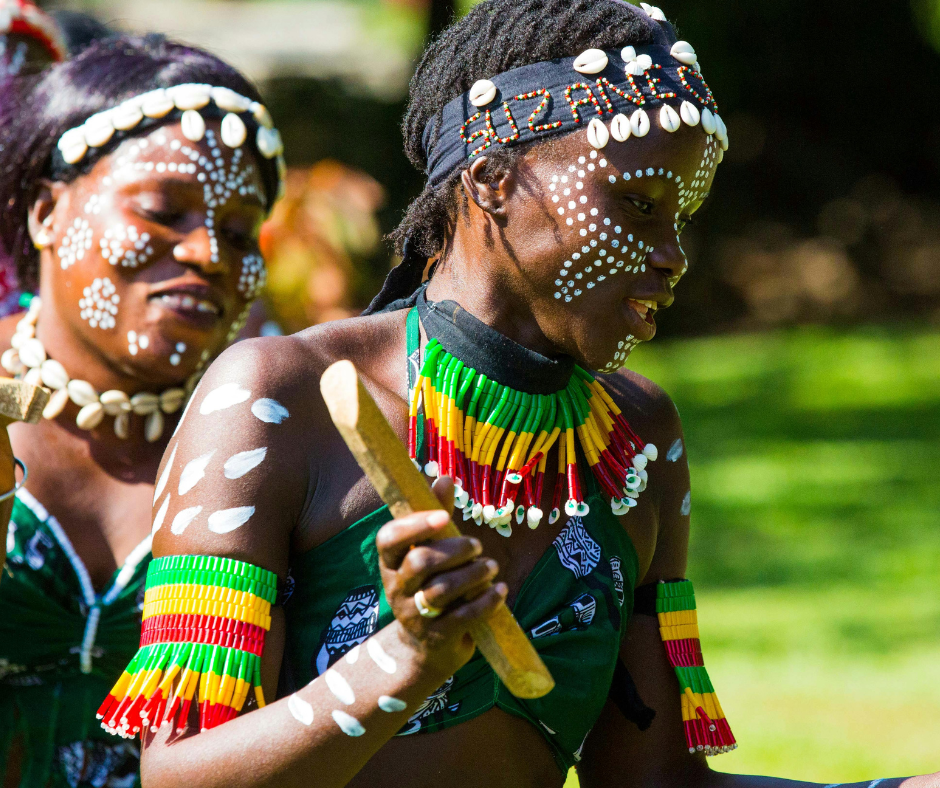
Preserving culture in the face of modernization
Threats to traditional knowledge
As globalization, climate change, and extractive tourism expand, ancestral practices risk becoming diluted or performative. When traditions are repeatedly staged for outsiders, stripped of meaning, and consumed for entertainment, they begin to lose their soul. Cultural preservation isn’t about clinging to the past, it’s a vital response to real erosion, and it calls for protection and participation.
How Tanzanian communities are preserving their stories
Across Tanzania, elders, youth, and educators are actively protecting culture through storytelling, language revival, and traditional skills. Oral histories are recorded, endangered languages are sung back to life, and cultural schools focus on intergenerational learning rooted in ancestral knowledge. These aren’t performances, they’re daily acts of cultural survival.
How you can be part of cultural preservation (without taking up space)
The role of a respectful traveler isn’t to “save” culture. It’s to honor it. That means:
- Choosing community-led experiences where locals are the narrators of their own stories.
- Listening deeply instead of performing curiosity.
- Engaging with reverence, not to “collect” moments or photos, but to allow yourself to be shaped by what you learn.
Your presence can either dilute or strengthen cultural preservation. Let’s choose the latter.
Crossing worlds with loving perception
Travel as a dialogue, not a transaction
In Tanzania, this means seeing cultural exchange not as an item on your itinerary,but as a sacred invitation.
It’s not about comparing your way of life to someone else’s. It’s about softening into unfamiliarity. Realizing that difference isn’t a problem to solve, but a richness to receive.
When you travel this way, you’re not just stepping into a new place. You’re stepping into a new way of being, with respect as your passport.
What it means to witness, not perform
There’s a difference between being in a moment and being the center of it.
To truly witness culture is to put away the camera and open your hands. To let silence linger a little longer. To honor sacred rhythms without needing to understand every word.
When you’re invited into a ceremony, a song, or a story, ask yourself: Am I present? Or am I performing presence? The answer changes everything.
How Mang’ola Life weaves culture into every safari
Storytelling, not showcasing
At Mang’ola Life, we don’t believe in turning tradition into performance. Each cultural experience is co-created with Indigenous communities and shared with intention. No choreography,just honest stories, offered when the moment feels right. It’s about listening with your full presence.
Relationships over itineraries
Our safaris are rooted in connection, not checklists. That might look like sharing space with elders, sitting quietly around a fire, or being welcomed as a learner, not a spectator. We enter cultural spaces slowly, honoring presence over pace.
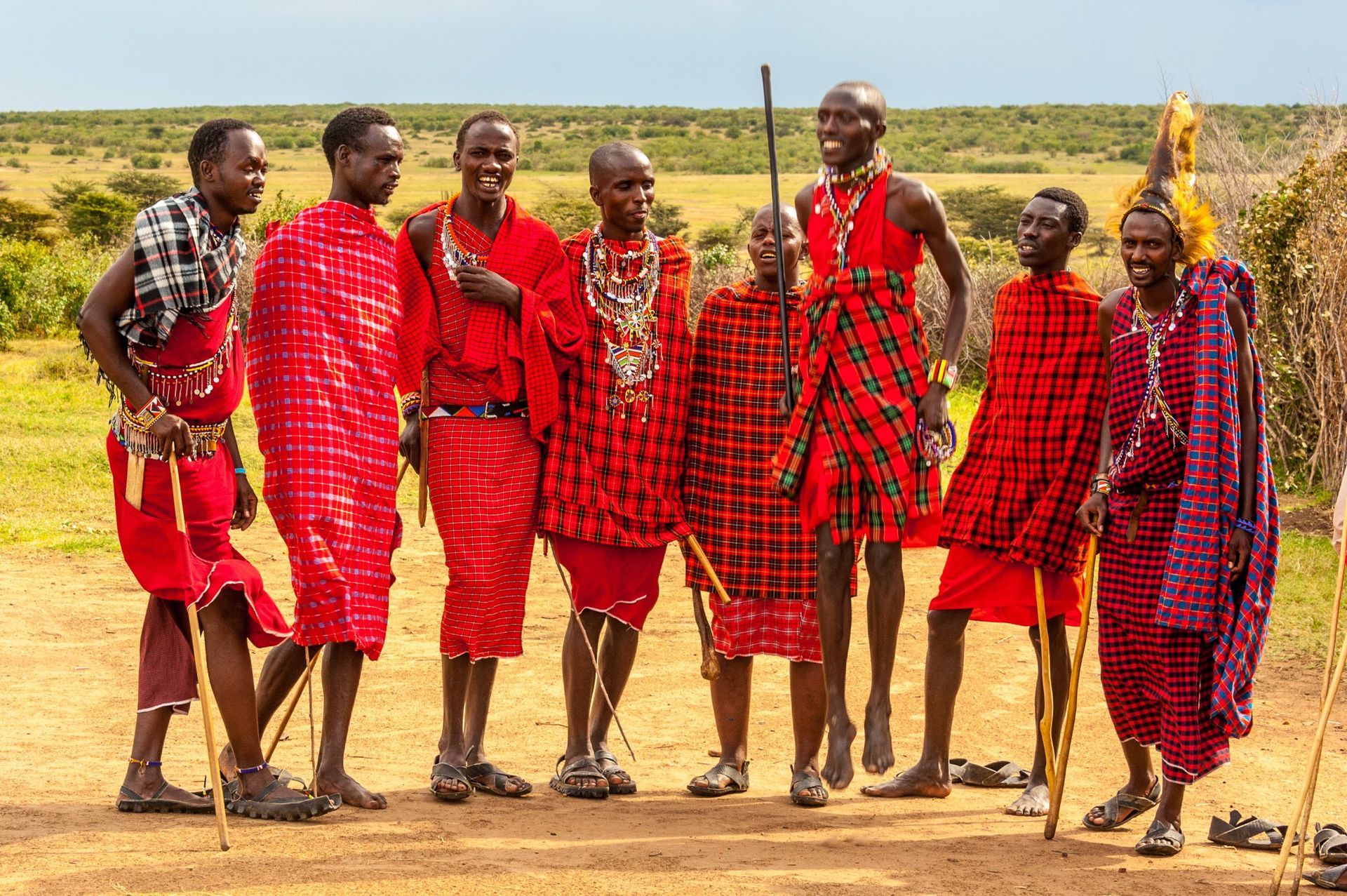
How to travel respectfully through Tanzanian culture
Do your research, then stay open
Yes,learn a few Swahili greetings. Read up on the customs of the regions you’re visiting. Understand that Tanzanian culture is deeply communal, respectful, and rooted in Utu (humanity).
But also, stay open. Let go of assumptions. Culture isn’t something you can fully “prepare for”,it’s something you allow to unfold.
Being informed shows respect. Being receptive shows trust.
Ask permission, not just questions
Curiosity is beautiful, but consent is sacred.
Before taking a photo, before entering a space, before joining a conversation: ask. Tanzanian hospitality is generous, but it’s built on mutual respect. Listening, truly listening, is a way of honoring that.
Sometimes the answer will be yes. Sometimes it won’t. Both deserve grace.
Leave with stories, not souvenirs
You don’t need a trinket to prove you were here.What matters most is the shift that happens within you, when you walk a little slower, listen a little deeper, and begin to see the world not in terms of “us and them,” but in shared humanity.
That’s what Tanzanian culture gives you, if you let it: a wider heart. A quieter ego. A different way of moving through the world.
Ready to move beyond the guidebook?
When you travel with Mang’ola Life, you’re not just passing through, you’re participating in something sacred. Our safaris are an invitation to slow down, listen deeply, and cross worlds with humility and awe.
Every experience is crafted with communities who generously share not just their traditions, but their time, stories, and wisdom.
Explore our Tanzania safari experiences to discover how travel can become a bridge, not a boundary. Because real adventure isn’t just about where you go. It’s about how you show up. Let’s travel with reverence. Let’s travel together.

Welcome to Mang'ola life we are a sustainable safari company located in the heart of Tanzania, Africa. Plan your next adventure with us.