
Reforestation in Tanzania, Africa: What Conscious Travelers Should Know (and Support)
Travel isn’t just about what you see, it’s about what you help grow.
What if your next journey wasn’t just about going somewhere beautiful,but about helping that beauty thrive for generations? As conscious travelers, we often ask: How can I give back to the land that gives me so much? In Tanzania and across the African continent, one answer takes root in the soil: trees.
From fighting climate change to better support local communities, reforestation in Africa is becoming one of the most powerful movements shaping the future of the planet,and you can be part of it.
At Mang’ola Life, a sustainable safari tour company in Tanzania, we don’t believe in passive tourism. We believe in presence. In participation. In walking lightly while helping life grow wild again.
Let’s dig deeper.
Why reforestation in Africa matters more than ever
The link between trees, climate, and community
In East Africa, forests are more than scenic backdrops, they're lifelines. Each tree plays a role in a delicate, interconnected system that supports people, wildlife, and the planet:
- Trees hold water in the soil, preventing erosion and keeping rivers from running dry.
- They sequester carbon, helping cool the Earth’s rising temperatures.
- Their roots restore degraded land, allowing farmers to grow food again.
- Their canopies protect biodiversity, offering shelter to countless species.
When deforestation hits, so does instability. Entire villages lose access to clean water. Soil turns to dust. Food systems collapse. And in many parts of sub-Saharan Africa, these consequences have been deeply felt.
But there’s hope. Across the continent, people are reclaiming their relationship with the land. From the AFR100 movement to community-driven planting efforts in rural Tanzania, the message is clear:
Reforesting Africa isn’t optional,it’s urgent. For a deeper look at this continent-wide commitment to land restoration, you can explore the vision and ongoing efforts behind it in this article on the AFR100 initiative.
Reforestation as a pathway to regeneration
Planting trees may sound simple. But in Africa, it’s transformational.
This isn’t just about carbon credits or greening the map,it’s about healing.
- Healing the land from decades of extraction.
- Healing communities by creating jobs, shade, and future harvests.
- Healing ancestral relationships with the soil, the seasons, and the wisdom of growing what gives back.
Programs like the ultimate guide to Africa’s 47 afforestation and reforestation projects show how powerful these efforts can be,from restoring drylands in Kenya to building food forests in Madagascar.
When travelers support reforestation, they're not just planting trees. They're planting trust, future harvests, and intergenerational resilience.
Does Africa have rainforests?
Yes, and they’re vital to global health
When most people picture Africa, they imagine savannahs and deserts. But the continent is also home to some of the most essential rainforests on Earth.
The Congo Basin stretching across six countries,is the second-largest rainforest in the world, after the Amazon. It’s often called the "lungs of Africa," absorbing massive amounts of carbon dioxide and helping regulate global temperatures.
But the Congo isn’t alone. Africa also holds:
- Coastal rainforests along West Africa.
- Montane forests in East Africa’s highlands.
- Dryland woodlands that thrive in semi-arid zones.
These forests don’t just support biodiversity they stabilize water cycles, influence weather patterns, and store centuries of ecological memory.
Protecting them isn’t just an African issue. It’s a global responsibility.
Why they're under threat
Despite their importance, these forests are vanishing. Logging, both legal and illegal, clears thousands of hectares every year. Industrial agriculture replaces native trees with monoculture plantations. And mining operations dig deep into once-sacred land.
As roads and infrastructure expand, so does forest loss. But the root of the issue goes beyond economics. It touches history, inequality, and survival, which leads us to the next question.
What's causing deforestation in Africa?
The complex drivers of forest loss
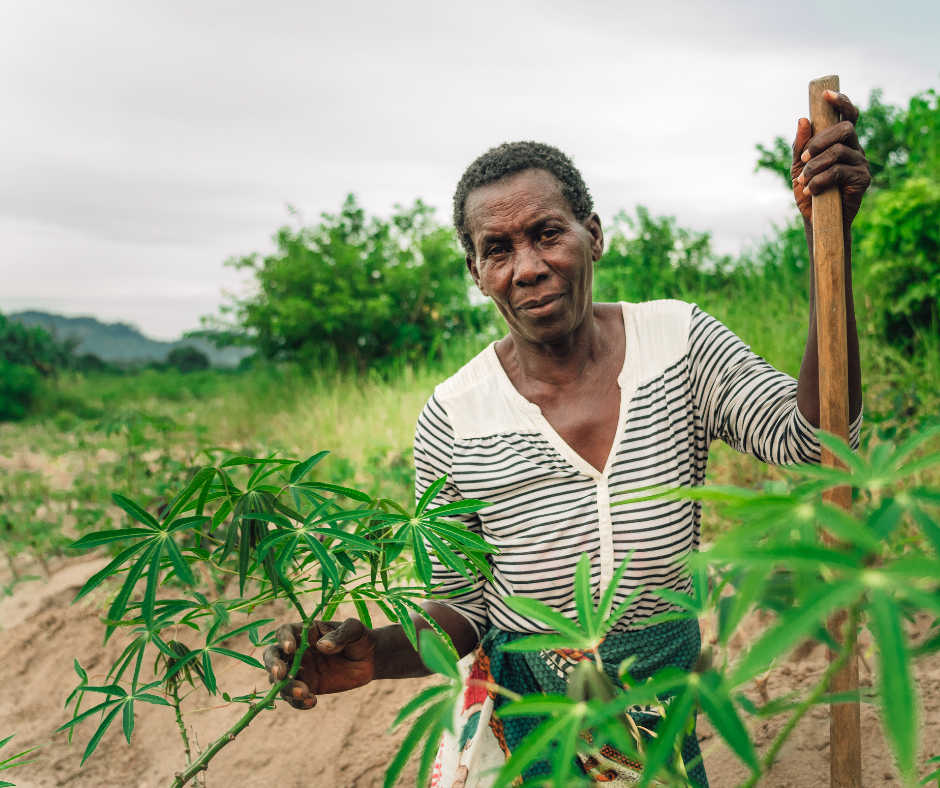
Deforestation in Africa doesn’t have a single cause. It’s a tangled web of environmental, economic, and geopolitical pressures. But to understand it responsibly, we must look beyond local practices and acknowledge the ongoing international extraction of Africa’s resources.
Some of the most significant contributors include:
- Monoculture for export: Vast tracts of land are cleared for industrial-scale agriculture such as palm oil, soy, and other cash crops destined for global markets. These practices disrupt ecosystems and prioritize international profit over ecological balance.
- Mining and resource extraction: Africa’s forests are rich in minerals and natural resources, leading to continuous deforestation driven by international demand for gold, cobalt, diamonds, and rare earths.
- Charcoal production: While still a reality in rural areas with limited access to clean energy, it's important to situate this practice within a broader context of energy inequality and lack of infrastructure investment.
- Urban expansion: Rapid urbanization, often influenced by global investment and migration patterns, is also a factor in the steady shrinkage of forested areas.
Small-scale, subsistence farming is often labeled a primary culprit, but in truth, it’s rarely the root issue. These communities have historically coexisted with the land. The deeper problem lies in extractive systems that prioritize short-term profit over long-term sustainability systems often driven by actors far removed from the forests they impact.
Colonial legacies and land disruption
To truly understand deforestation in Africa, we must look backward.Colonialism redrew land boundaries, extracted resources, and disrupted Indigenous relationships with nature. Forests were logged, burned, and reallocated for profit. Traditional practices of stewardship were sidelined in favor of extraction.
Today, many communities still face land insecurity, lack of access to forest rights, and external interventions that ignore local knowledge. So when we talk about reforestation, it can’t just be about planting trees. It must also be about healing historical wounds, and restoring agency to those who know the land best.
The role of Indigenous communities in forest protection
Traditional land stewardship
Before reforestation became a buzzword, African communities had already mastered it. Across the continent, Indigenous groups have protected forests for generations, not through force, but through a deep relationship. Trees are not just timber. They are kin. Markers of time. Homes for spirits.
In Tanzania, sacred groves are left untouched as spaces of ceremony. In West Africa, fallow systems regenerate soil between planting seasons. These aren’t trends,they’re traditions.
It’s a kind of stewardship that doesn’t require manuals. It requires memory.
Why local voices are essential to reforestation
Tree-planting projects fail when they ignore the people who live with the trees.Top-down efforts often overlook the daily realities of rural life: water access, grazing needs, food security. Reforestation can’t be imposed,it must be co-created.
That’s why initiatives like AFR100: People Restoring Africa's Landscapes center community leadership. When locals design, plant, and maintain the forests, the roots grow deeper,both literally and socially. Reforestation is not just environmental. It’s relational.
Reforestation efforts in Africa today
Community-based projects across the continent
The good news? Africa is reforesting, from the inside out. From the Sahel to the Rift Valley, local and regional programs are restoring degraded land and bringing new life to old ecosystems.
- In Senegal, community nurseries are planting native baobab and acacia.
- In Ethiopia, farmers are turning erosion-prone hillsides into green sanctuaries.
- In Tanzania, efforts like the Reforestation, East Africa project support smallholder farmers to plant and protect trees alongside their crops.
One of the most potent tools is agroforestry, the integration of trees into farms. It regenerates soil, improves yields, and reduces the pressure to clear new land.
What makes reforestation successful?
It’s not just about numbers. It’s about nuance.
The most impactful reforestation projects have three key ingredients:
- Native species that support the local ecosystem.
- Long-term care, not just planting-and-leaving.
- Community alignment, ensuring that trees serve both people and planet.
In short: Don’t just plant. Cultivate.
Spotlight on the Great Green Wall
Africa’s boldest environmental vision
Stretching across the entire width of the continent,from Senegal in the west to Djibouti in the east,the Great Green Wall is one of the most ambitious reforestation efforts in history.
This 8,000-kilometer initiative isn’t just planting trees. It’s redrawing the future of Africa’s drylands, restoring hope where desertification once dominated. The idea is simple but bold: regreen the Sahel, and revive the communities that call it home.
What it aims to achieve
At its core, the Great Green Wall aims to:
- Halt desertification by stopping the Sahara from advancing.
- Restore degraded land and support sustainable agriculture.
- Reduce forced migration by creating opportunities in rural areas.
- Generate jobs, particularly for women and youth in vulnerable communities.
It’s a climate solution that’s also a human solution, addressing environmental, social, and economic challenges in one sweeping movement.
Progress and setbacks
So far, the initiative has restored over 20 million hectares of land, brought improved food security to millions, and supported local economies across more than 10 countries.
But the path hasn’t been easy. Challenges remain, including gaps in funding, fragmented governance, and a need for stronger community involvement. The success of the Great Green Wall depends not just on ambition, but on collaboration, transparency, and sustained care.
Why tree planting alone isn’t enough
Regeneration vs. plantation
Not all tree planting is good for the planet. Many large-scale projects rely on monoculture plantations, planting fast-growing species like eucalyptus or pine in areas where they don’t belong. These can drain water resources, reduce biodiversity, and disrupt local ecosystems.
The better path? Regeneration. Natural regeneration supports native flora and fauna, improves soil health, and strengthens resilience against climate shocks. It’s slower,but far more sustainable.
What reforestation looks like in Tanzania
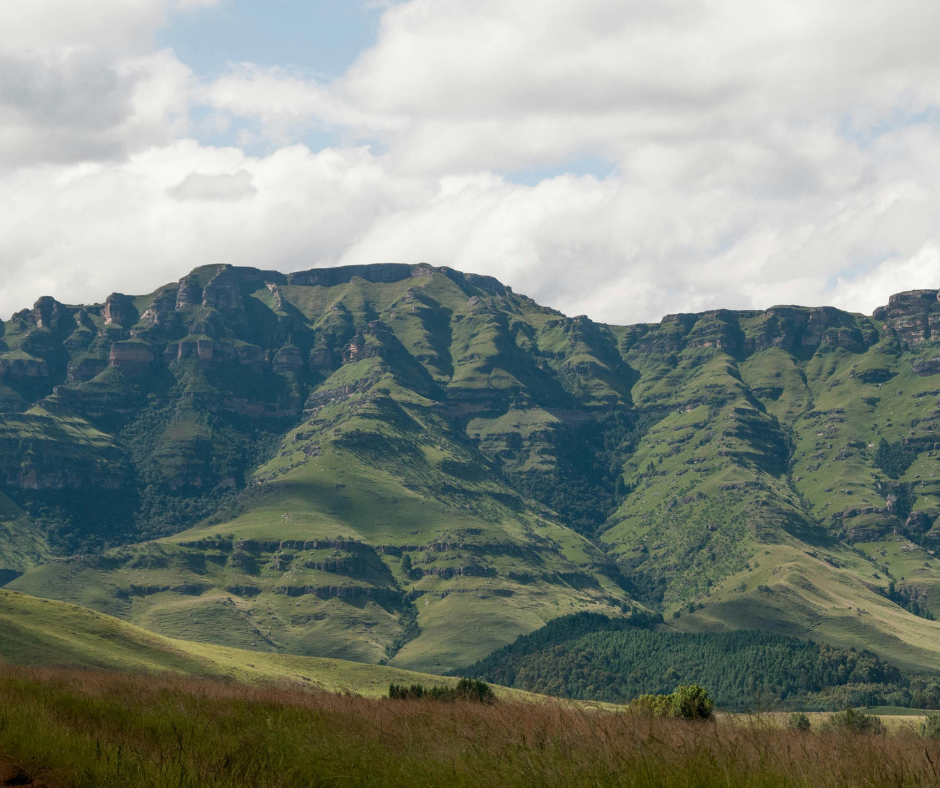
In Tanzania, reforestation is as diverse as its landscapes.
- In the Eastern Arc Mountains, cloud forests are being restored to protect watersheds.
- In the Great Rift Valley, farmers are turning depleted lands into food-forest hybrids.
Along the savannahs, native tree species like acacia and fig are being replanted to bring back biodiversity.
Mang’ola Life’s role in regenerative tourism
At Mang’ola Life, a sustainable safari tour company in Tanzania, we don’t believe in passive tourism. We believe in presence. In participation. In walking lightly while helping life grow wild again.
That’s why we:
- Reinvest a portion of our proceeds into ecosystem restoration
- Educate our guests on the stories, wisdom, and complexity behind every tree planted
For us, it’s not just about seeing nature, it’s about helping it thrive.
How travelers can support reforestation in Africa
Choose safari companies that give back
The most impactful safaris aren’t the fanciest. They’re the most thoughtful.Choose travel experiences that prioritize:
- Local ownership and leadership.
- Transparent partnerships with conservation groups.
A commitment to leave places better than they were found.When you travel with Mang’ola Life, you support the people and projects that are regreening Tanzania from the roots up.
Travel as a regenerative act
Every journey leaves a trace.
But with intention, your travel can become a force for healing. That means:
- Understanding your footprint.
- Building relationships with the land and people.
- Choosing experiences that support, not extract from, local ecosystems.
Ready to travel differently?
At Mang’ola Life, we believe that every step you take should plant a seed. If you’re craving more than just a safari,if you want to reconnect, give back, and walk with purpose, we’d love to have you.
Join us on a regenerative journey through Tanzania,where your presence helps restore forests, support communities, and grow something that lasts.
Explore our conscious safaris. Travel with heart. Leave with meaning.

Welcome to Mang'ola life we are a sustainable safari company located in the heart of Tanzania, Africa. Plan your next adventure with us.